Do you know the worth of the Thermal insulation and cladding in UAE? Thermal insulation blocks heat transfer. Cladding covers and protects a building’s surface. Each part helps a building work better in extreme weather. For example, in Dubai, summer temperatures can go over 50°C. Because of this, improving the building envelope is very important.
In the same way, this guide also explores the challenges and new ideas in the field. It highlights modern UAE insulation technologies and thermal insulation services in UAE. In short, it offers practical insights for someone planning a project now.
Why Consider Thermal Insulation & Cladding
Thermal insulation and cladding help keep buildings cozy. They stop heat from escaping in winter and keep rooms cool in summer. This saves energy and lowers bills. Insulation also keeps moisture out, preventing mold and damage. Cladding adds a strong layer. It protects walls from bad weather and makes buildings last longer.
These materials also make buildings safer. Insulation reduces noise, making places quieter. Fire-resistant options slow down flames, adding safety. Cladding makes buildings look nice with stylish designs. It also needs less upkeep, keeping buildings strong for years. Good insulation and cladding improve comfort, cut costs, and protect property.
Understanding the UAE Climate and Its Impact
The UAE has a very hot climate. During the day, the heat can be extreme. But at night, the air cools down quickly. Even after a hot day, the nights feel much cooler.
Also, sandstorms are common in the region. Salt-filled winds can make things worse. These weather changes affect how buildings are made. So, builders use smart designs to handle the heat and wind. In fact, good insulation helps a lot. It can cut energy use by up to 40%.
Hence, engineers and designers remain alert to local climate challenges. This leads to a focus on the energy efficient building envelope in UAE. Overall, climate details drive material choices and design decisions.
Overview of Thermal Insulation Materials
We now list common insulation materials. We compare options based on thermal conductivity, fire resistance, and cost. Moreover, we include a table to clarify key details.
| Material | Thermal Conductivity (W/mK) | Fire Resistance | Typical Cost (AED/m²) |
|---|---|---|---|
| Polyurethane Foam | 0.023 – 0.028 | Excellent | 150 – 250 |
| Cellular Glass | 0.035 – 0.045 | Very Good | 180 – 280 |
| Calcium Silicate | 0.050 – 0.060 | Good | 140 – 230 |
| Rock Wool | 0.037 – 0.045 | Very Good | 160 – 260 |
└─────────────────────────────┘
Clearly, each material offers notable benefits. Designers choose based on project needs and local climate. Consequently, modern UAE insulation technologies help balance cost, performance, and durability.
Overview of Cladding Systems
Now, let’s look at cladding systems. First, we talk about metal cladding. Then, we look at composite and stone cladding. Each type looks good and also protects the building.
For example, metal cladding is often made from aluminum or stainless steel. It fits well with modern styles. In the same way, stone cladding gives a classic and strong look. Also, composite cladding is light and easy to install. It offers many design choices. Next, we share a table to compare these options.
| Cladding Type | Aesthetic Appeal | Durability | Cost Range (AED/m²) |
|---|---|---|---|
| Metal Cladding | Modern | High | 200 – 350 |
| Composite Cladding | Versatile | Moderate-High | 180 – 320 |
| Stone Cladding | Elegant | Very High | 250 – 400 |
Moreover, cladding protects against UV rays and harsh winds. Architects often select the best cladding system for UAE buildings when designing facades. Finally, designers aim for a balance between beauty and the lasting performance these materials provide.
Integrating Insulation & Cladding into Building Envelopes
Next, we talk about how to put these systems together. First, designers look at the building’s structure. Then, they choose the best mix of insulation and cladding. After that, they pick how to install it.
For example, experts match the insulation layer with the chosen cladding. This helps everything work well together. Additionally, they ensure the solution supports an energy efficient building envelope in UAE. Then, they use a layered design. This helps the building work better. In the end, this method makes the building last longer and use less energy. Simply put, using one clear plan builds a strong and smart structure.
Industrial Applications of Thermal Insulation and Cladding
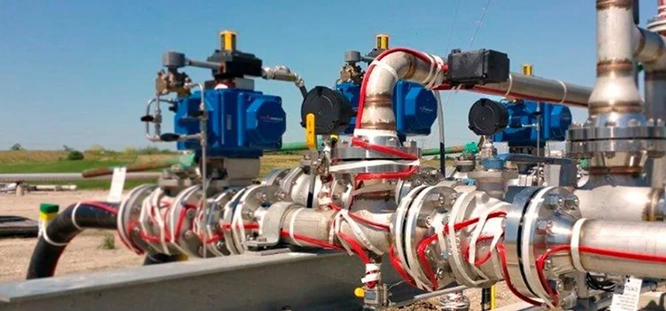
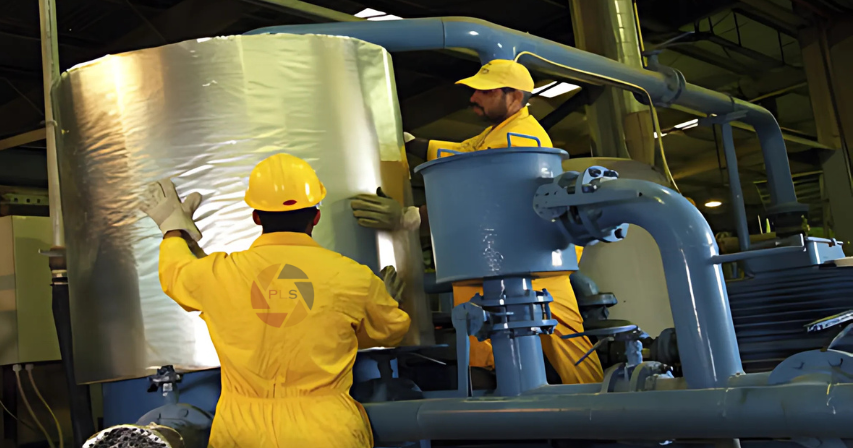
Now, we look at industrial use. Big factories need good thermal control. First, they add insulation to pipes and machines. Then, they use cladding on large surfaces to save energy.
For example, oil and gas plants use strong insulation to keep the heat steady. In the same way, petrochemical plants use tough cladding to protect their buildings. We show a table to compare what each industry needs.
| Sector | Insulation Focus | Cladding Need | Typical Benefits |
|---|---|---|---|
| Oil & Gas | Heat retention & safety | Corrosion protection | Greater energy savings and equipment life |
| Petrochemicals | Temperature regulation | Fire safety & durability | Lower risk of thermal shock |
| Warehouses | Climate consistency | Weatherproof protection | Improved working conditions and energy use |
| Manufacturing | Noise and thermal control | Design flexibility | Better production efficiency |
In addition, these features support safer, more efficient operations. Designers also believe that a strong envelope leads to longer equipment life. In short, industries benefit from industrial thermal insulation solutions UAE that address unique challenges.
Residential and Commercial Applications
Homeowners use these methods for comfort and to save energy. At the same time, offices and malls focus on style and design. For example, homes in Dubai use insulation to stay cool, even when it’s very hot outside. In the same way, business buildings use cladding to create bold and modern looks.
Also, research shows that these solutions can boost building performance by more than 35%. As a result, both families and business owners get lower energy bills. At the same time, they enjoy a smart and stylish space. Designers naturally emphasize residential energy efficient insulation UAE in their projects. Consequently, they create efficient and attractive living and working spaces.
Installation Techniques and Best Practices
Let’s explore how to install these systems. Contractors use several methods. They may spray insulation directly or use prefabricated boards. First, they prepare the site. Then, they install one layer after the other.
For instance, a typical installation process involves:
- Assessing the building structure.
- Selecting the suitable insulation material.
- Installing the insulation.
- Fixing the cladding on top.
- Inspecting the complete system.
Additionally, contractors and inspectors follow UAE insulation installation best practices. They maintain safety and compliance throughout the project. Afterwards, they complete quality checks to guarantee performance.
Regulatory Landscape and Standards in the UAE
After learning about installation, we now look at the rules. Local authorities follow strict building codes. For example, Dubai Municipality has very high standards. Likewise, Abu Dhabi’s planning departments check if buildings follow the rules.
Because of this, designers must use materials approved by ISO, ASTM, or BS standards. These rules help keep people safe. At the same time, they make sure buildings save energy. Consequently, every contractor must align with current UAE building code compliance insulation guidelines. Furthermore, local regulations push innovation by requiring durable and sustainable products. In short, regulations transform the industry toward quality and resilience.
Innovations and Future Trends
We now look to the future. Researchers explore eco-friendly options and new technologies. First, they improve insulation with recycled materials. Next, they experiment with smart cladding that monitors temperature changes.
Moreover, developers invest in innovative insulation technology UAE to gain a competitive edge. In the same way, companies now use nanotechnology. This helps make insulation thinner but stronger. Also, new ideas like energy harvesting and smart facades are becoming popular. These trends bring new chances for better building designs.
Finally, the UAE government helps by giving grants and rewards for green projects. Because of all these efforts, the future of insulation and cladding looks bright and full of promise.
Case Studies and Success Stories in the UAE
Now, let’s look at real-world examples. Top developers in Dubai and Abu Dhabi use smart building systems. These systems work well in both cities.
For example, a project in Dubai Marina saw a 35% drop in energy use. In the same way, a tall building in Abu Dhabi became more comfortable and had lower upkeep costs.
Below is a table that summarizes key projects:
| Project Location | System Used | Energy Savings (%) | Cladding Lifespan (Years) |
|---|---|---|---|
| Dubai Marina | Polyurethane insulation + Metal cladding | 35 | 30 |
| Abu Dhabi High-Rise | Rock wool insulation + Composite cladding | 32 | 28 |
| Sharjah Commercial Hub | Cellular glass insulation + Stone cladding | 30 | 32 |
In addition, such as Paklink share their success stories. They report that their solutions work well in extreme UAE conditions. Moreover, these examples encourage architects to combine thermal insulation services in UAE with the best cladding system for UAE buildings. Ultimately, these case studies provide hope and direction for new projects.
Conclusion
Here, we explained the basics of thermal insulation and cladding. Then, we talked about the challenges of the UAE climate. Next, we compared materials and installation methods using tables and diagrams. We also discussed local rules and new trends in the industry.
Ultimately, every building needs a strong envelope. Designers must use integrated systems that create an energy efficient building envelope in UAE. Moreover, they must follow sustainable construction practices in UAE. In short, proper insulation and cladding boost energy savings, comfort, and durability.
Feel free to explore new ideas like smart cladding or recycled insulation. In addition, study the case examples to inspire your own projects.
FAQs
How does thermal insulation save energy in UAE buildings?
Insulation reduces heat gain by up to 40%. Homeowners experience a drop in air conditioning use. In Dubai, properly insulated buildings can cut energy costs by 35%. This saving occurs because insulative materials block excess heat effectively.
Which insulation material works best for the extreme heat in the UAE?
Many experts favor polyurethane foam. It offers low thermal conductivity and handles temperatures over 50°C easily. Contractors also report that this material sustains performance in long, hot seasons.
How do I choose the proper cladding system?
Architects first assess exposure levels. They then compare metal, composite, and stone cladding options. For instance, metal cladding guarantees durability and a modern look. Designers often select the best cladding system for UAE buildings based on cost, aesthetics, and lifespan.
What fire safety measures exist for UAE thermal insulation?
Fire-safe choices like polyurethane foam and rock wool work well. Experts say these materials slow down fire spread. As a result, they help keep people and buildings safe. In the UAE, strict fire rules help guide the right material choices.
How do UAE building regulations affect insulation and cladding choices?
Local groups like Dubai Municipality follow strict rules. Builders must use materials that meet ISO and ASTM standards. This helps make sure every setup is safe and saves energy. As a result, buildings stay strong and perform well over time. Thus, adherence to UAE building code compliance insulation becomes essential.
What is the average lifespan of cladding in UAE buildings?
Experts say that cladding can last between 25 and 35 years. Projects in Sharjah and Abu Dhabi have shown strong results over many years. However, this long life depends on good installation and regular care.
What kind of cost should I expect for high-quality insulation in the UAE?
The cost usually ranges from AED 150 to AED 250 per square meter. This includes both materials and installation. In addition, the energy savings over time make it a smart investment. Many investors see these costs as fair when compared to the performance benefits.