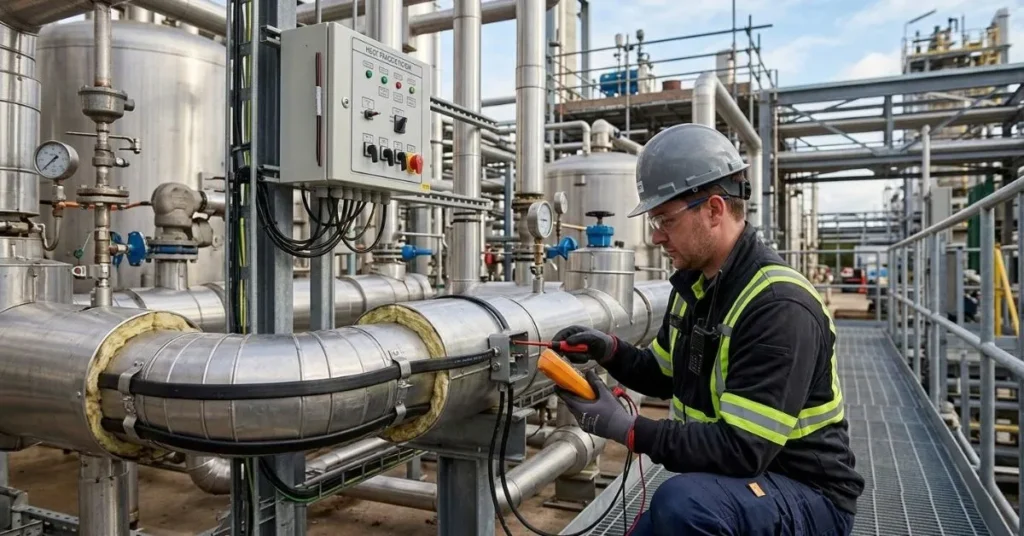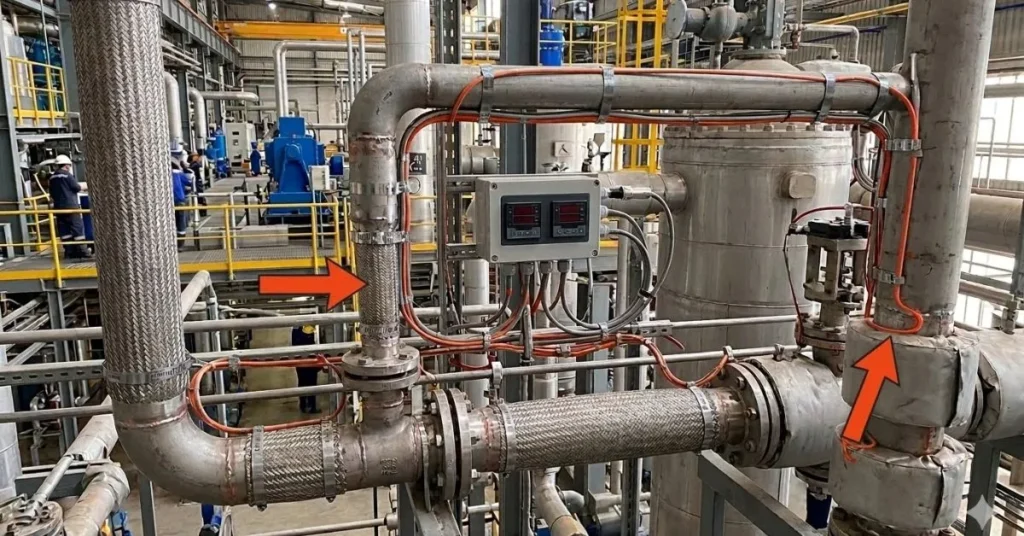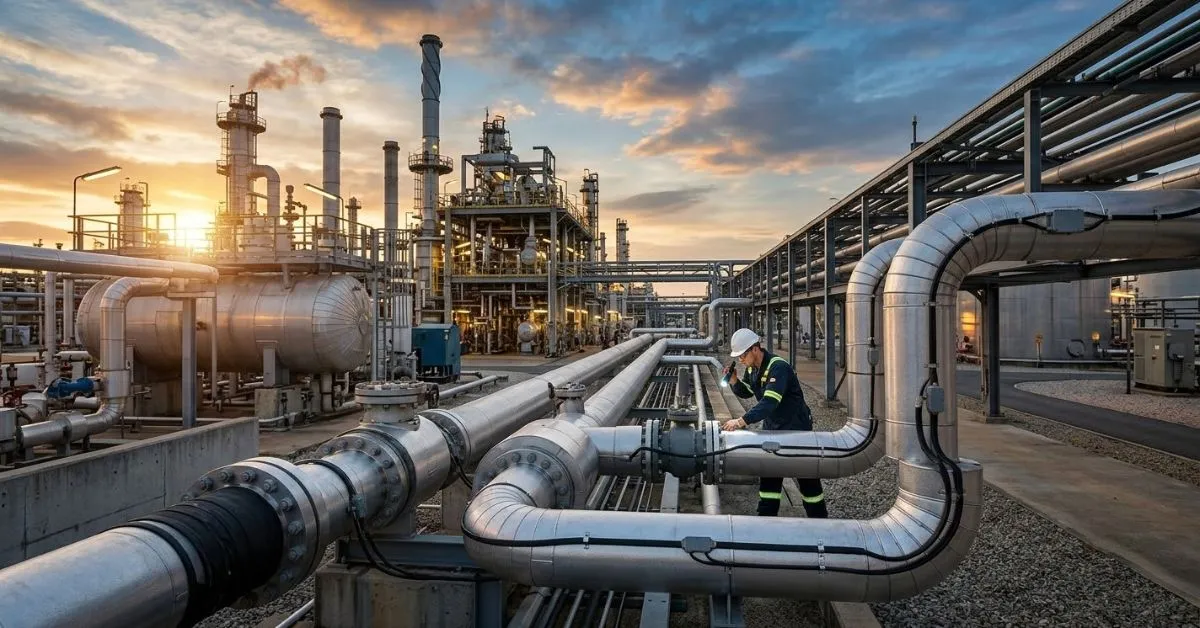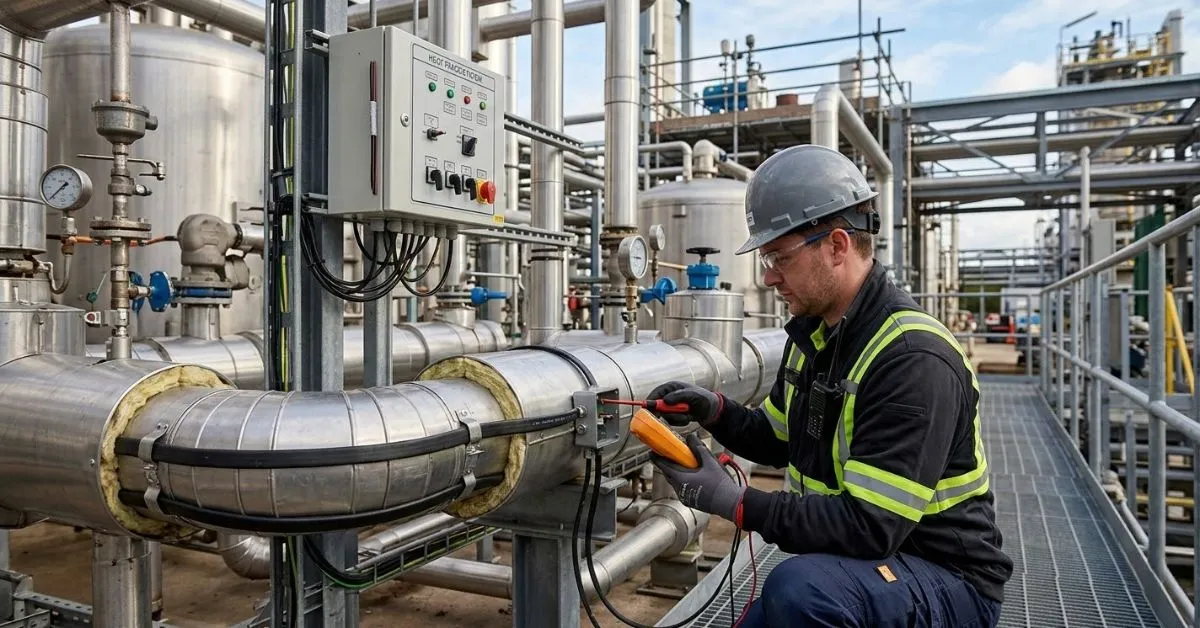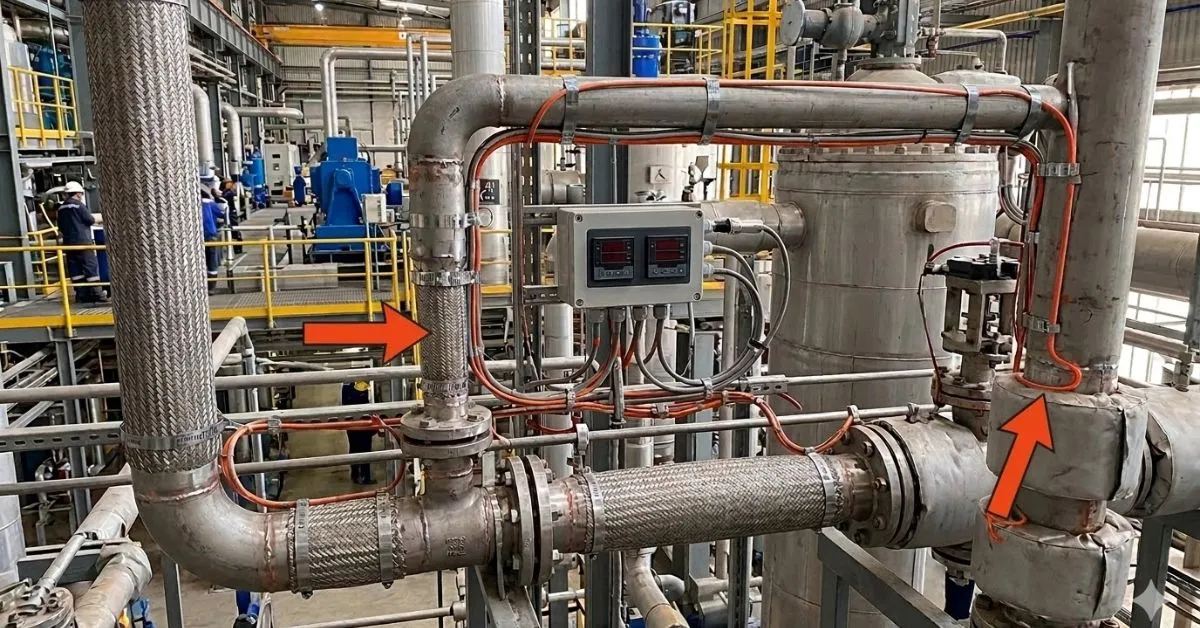
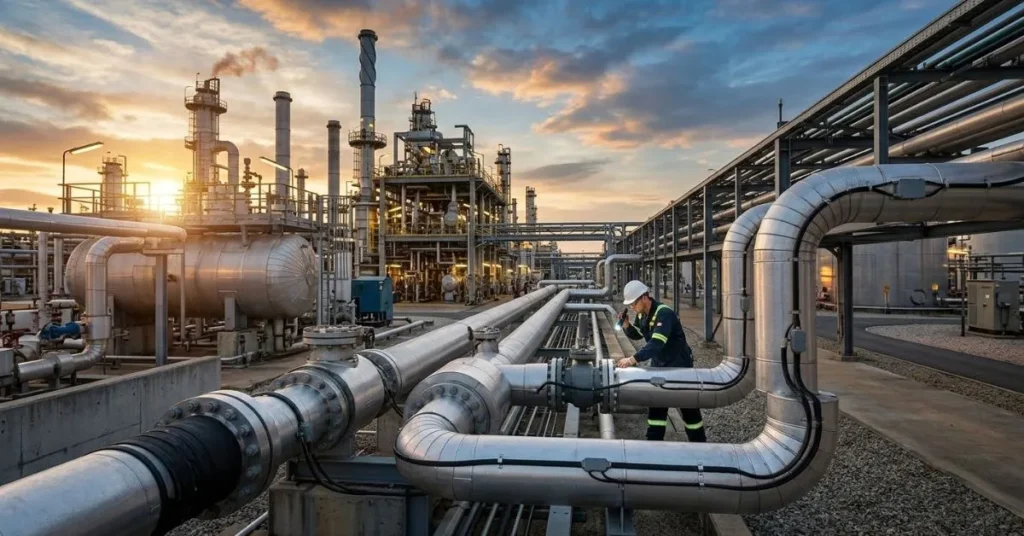
A decent production day can be ruined by cold weather, extended pipe runs, and outdoor gear. Valves stick, sensors stray, and fluids thicken. A little problem could lead to scrap, safety hazards, and downtime. Heat Trace Cables add controlled heat to pipes, tanks, hoses, and process parts. They keep a set temperature, stop freezing, and support steady flow. Many plants treat heat tracing as basic protection, not an extra.
What Heat Tracing Does
It puts a heating line on the outside of equipment that loses heat to the air. The system runs along a pipe or wraps around a vessel, then insulation holds the heat in place. Engineers often follow electric heat tracing design standards developed by the IEEE to ensure safe installation and proper temperature control. Plants pick it for three big needs. They want freeze protection for water and small lines outdoors, temperature hold for thick fluids, and stable readings for instruments. When the temperature stays steady, pumps work better and operators avoid long restarts.
Heat Trace Cables in Industry: Where They Matter Most
Oil and gas: keep the flow moving from the well to the tank
Oil and gas sites fight the cold at every step. A small drop in temperature can raise fluid thickness, increase pressure loss, and slow transfer. Water can freeze inside fittings, and wax can form in some lines during cold spells.
Cables support many points across upstream, midstream, and downstream. Teams often focus on the parts that fail first during winter nights and windy days.
Common heat-tracing targets in oil and gas
- Flowlines and gathering lines that run above ground
- Chemical injection lines for methanol and treatment chemicals
- Instrument impulse lines and analyzer sample lines
- Tank nozzles, pump casings, strainers, and valve bodies
- Loading arms and transfer hoses at terminals
Insulation quality matters as much as heater choice. Wet or damaged insulation dumps heat fast and pushes energy use up. A good design also accounts for valves, flanges, and supports, since those parts bleed heat.
Chemical and petrochemical plants: protect product behavior
Chemical plants run tight temperature limits. A line that cools too much can cause crystals, phase changes, or bad mixing. Some fluids also pull in moisture or separate when temperature swings hit.
It keeps transfer lines steady during dosing, mixing, and loading. It also shortens warm-up time after shutdowns, since the system holds heat in key sections. Operators gain a more stable flow, and lab results stay closer to spec.
Many common jobs include resin and polymer lines, solvent lines, and drum warming zones for thick chemicals. Instrument lines also benefit because sample temperature affects readings. Hazard areas require strict design choices, so the circuit layout and controls must match site rules.
Food and beverage: keep products moving and support hygiene
Food plants move products that change fast with temperature. Syrups, fats, and chocolate can set up on pipe walls when lines cool down. That buildup cuts yield and makes cleaning harder.
Cables fit well in food plants because they deliver gentle, even heat. That steady heat helps the product stay pumpable and lowers the risk of scorching.
High-value uses in food and beverage
- Syrup and concentrate lines to keep the thickness steady
- Chocolate and fat lines to stop setting and plugging
- CIP return lines that must stay warm during cleaning cycles
- Utility lines in cold rooms and outdoor racks
- Instrument lines that need stable measurement
Food sites also deal with washdown and frequent changeovers. Strong jacketing, sealed ends, and solid control settings help the system handle moisture and cleaning. When the plant holds the right temperature, crews finish batches faster and clean lines with less struggle.
Power generation: prevent freeze events that hurt reliability
Power plants run many outdoor lines for water, condensate, and chemical feeds. A freeze event can crack piping or lock up a valve, and repairs can drag on. Even a small frozen impulse line can cause bad readings and unstable control.
It protects fire water loops, condensate drain lines, and chemical feed tubing for water treatment. It also supports emergency showers and eyewash supply lines in cold areas. Plants that run through winter peaks often treat freeze protection as a reliability tool.
Good control matters here because the plant may have long racks and many branches. A smart layout zones circuits by exposure and heat loss. That approach reduces nuisance trips and limits energy waste.
Water and wastewater: keep treatment steady in winter
Water and wastewater sites often spread equipment over large outdoor areas. Many lines run above ground, and valve pits trap cold air. Operators also need dependable sampling for compliance tests.
It supports chemical dosing lines for chlorine, polymers, and pH control. It also helps sludge lines that get thicker during cold weather. When the temperature stays stable, dosing pumps deliver more consistent rates and the plant holds steadier treatment results.
Sampling and analyzer lines also benefit from stable temperature. Many sensors react to sample temperature, so drift can show up in readings. A protected sample line can reduce alarms and retesting.
Mining and metals: handle thick slurries and rough exposure
Mining sites push slurries, process water, and reagents through long runs. Wind, snow, vibration, and impact can punish exposed piping. Cold nights can arrive even in warm seasons, especially at high elevations.
It can reduce thickness swings in slurry transfer lines and protect reagent lines used in extraction. It also supports sampling systems and measurement lines that operators rely on for control. Rugged routing, mechanical guards, and strong cable support improve survival in harsh zones.
Mining also deals with remote locations, so downtime costs more. A reliable setup can prevent emergency repairs during storms. That stability supports safer work and better production flow.
Pharmaceuticals and biotech: support tight control and records
Pharma and biotech sites demand stable temperature control for utilities and process lines. Even if the product stays inside a controlled space, supporting lines may run through cool corridors or outdoor racks. Small drifts can affect batch timing and measurement accuracy.
This system supports purified water lines, buffer transfer lines, and sample lines for critical instruments. It also protects safety showers and eyewash lines in cold climates. Strong control settings help sites meet operating targets and support repeatable results.
These sites also care about documentation and repeat tests. A stable system reduces deviations tied to temperature swings. Good sensor placement and reliable alarms improve confidence during audits.
Pulp and paper: keep coatings and additives consistent
Paper mills move fluids that react to temperature, such as coatings and starch. Outdoor racks and big buildings can create cold zones that cool lines faster than expected. When a coating line thickens, the pumping and spraying performance drops.
It supports coating lines, additive lines, and service water runs outdoors. It also protects tank outlets and valve stations that cool down overnight. When the mill reduces plugging, it reduces breaks and waste during runs.
Maintenance teams also gain time because lines stay workable. That effect matters during winter, when repairs take longer and crews face tougher access. A steady line temperature supports steadier production.
Final take
Heat Trace Cables come in different types, and each type fits a different job. Self-regulating options change output as temperature changes, which helps on lines with mixed exposure. Constant wattage options deliver steady output and can suit long runs with similar heat loss. Plants that utilize this system to the right targets often see smoother startups and fewer winter failures. That steady performance helps crews focus on production, not emergency fixes.