Abu Dhabi, Dubai, Sharjah, and Ras Al Khaimah have large oil, gas, and chemical facilities in the United Arab Emirates; these companies process millions. of barrels and tones annually. Hot sun, salty ocean air, and desert dust put electrical equipment on land and offshore under duress. Engineers in the UAE choose strong Junction Boxes in Hazardous Areas and strict rules to protect workers and keep plants running.
Get to know what makes them ATEX-compliant, and how teams test, install, and maintain them for safe operation.
Why Should I Use ATEX-Compliant Junction Boxes in Hazardous Areas
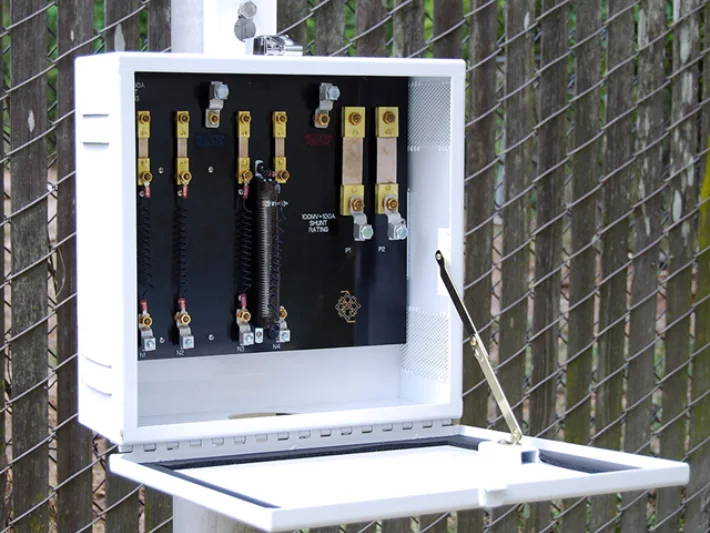
Junction Boxes in Hazardous Areas keep wires joined, routes power, and protects connections. In normal buildings a box only organizes wires. In hazardous sites the box must also stop flammable material from touching sparks, hot parts, or arcs. Good boxes reduce injuries, avoid fires, and keep production running.
Features that make a box ATEX-ready
- Use strong metals or certified polymers for long life.
- Fit tight gaskets to keep the box sealed and protect the IP rating.
- Use heavy bolts to keep the lid secure under stress.
- Provide insulated terminals to avoid exposed metal and arcing.
- Add heat paths or cooling surfaces to control temperature.
- Print the certification code and test details on the label.
Zones and how they guide your choice
- Zone 0: flammable atmosphere appears often; use the highest protection.
- Zone 1: flammable atmosphere may appear during normal work.
- Zone 2: flammable atmosphere appears rarely and briefly.
Match the box marking to the zone and the substance type. Ask a trained person to confirm the zone and pick the right protection.
Protection types and what they mean
- flameproof (Ex d): contain an internal explosion and cool gases before they leave.
- Increased safety (Ex e): design out sparks and hot spots.
- intrinsic safety (Ex i): limit energy so circuits cannot spark.
- Non-sparking (Ex n): use in low-risk Zone 2 locations.
Material choices for UAE conditions
- Use stainless steel or special coatings near the coast to fight salt corrosion.
- Use sun-reflective paint and shields in desert sites to lower surface heating.
- Choose UV-resistant polymers for long life in high-UV areas.
- Pick gaskets that resist heat, oil, and ageing for long service.
How makers test and certify boxes
Manufacturers test boxes for impact, pressure, heat, and sealing. They measure how the box behaves if sparks or faults occur. The tests lead to a clear certification label. Keep that certificate with the box so inspectors can check it.
How to read ATEX and certification marks
- Find the ATEX symbol and body number on the plate.
- Read the Ex code like Ex d, Ex e, or Ex i to know the protection method.
- Note the gas or dust group and the temperature class.
- Check the zone rating the box can work in.
- Keep batch and serial numbers for traceability.
Design inside the box for safe wiring
- Use separate chambers for power and signals to prevent interference.
- Fit rated terminal blocks that match current loads.
- Keep wiring neat and clamp conductors to stop movement.
- Leave spare room for future changes without harming safety.
Installation steps you must follow
- Mount the box on a strong, stable surface away from direct heat.
- Fit certified glands that match each cable size to protect the IP rating.
- Torque bolts to maker values to keep the gasket sealed.
- Label every circuit for fast isolation during work.
- Keep the box free of paint over the nameplate so inspectors can read markings.
Maintenance tasks that keep boxes safe
- Check gaskets and bolts at scheduled intervals.
- Inspect for corrosion, cracks, and loose parts and fix them fast.
- Test earth continuity and insulation resistance as planned.
- Replace seals, glands, and worn parts before they fail.
- Keep a clear maintenance log and keep certificates with the box.
Simple wiring rules for serviceability
- Mark both ends of each conductor to make future repairs fast.
- Respect bend radius for each cable to avoid damage.
- Route cables so technicians can swap parts with minimal shutdown.
- Use ferrules and secure clamps to avoid loose wires that can arc.
Spare parts and vendor selection
- Buy glands, terminals, and seals from the original maker when possible.
- Choose vendors with local support and fast spare-part delivery in the UAE.
- Check for marine-grade options if your site sits near the coast.
- Ask for third-party test reports that match your site’s temperature and pressures.
Heat control and temperature class
- Pick a temperature class lower than the ignition temperature of on-site gases.
- Calculate load heat for terminal blocks and conductors to avoid hot spots.
- Use cooling fins or shields in hot desert sites to reduce surface temperature.
- Check maker tests under worst-case load and ambient conditions.
Offshore versus onshore selection
- Use higher corrosion resistance offshore with marine-grade stainless steel.
- Choose sun shields, UV-resistant parts, and dust-proofing for desert plants.
- Plan spare parts and maintenance access based on the location’s logistics.
Simple checklist before you buy
- Confirm the zone and the gas/dust group at your site.
- Ask for the full certification and test reports for the exact model.
- Verify the material suits coastal or desert conditions found in the UAE.
- Check cable entry sizes and number of terminals.
- Confirm vendor support and spare-part availability locally.
Training and documentation you must keep
- Train teams to read ATEX marks and the box label.
- Teach staff how to spot gasket damage, loose bolts, and corrosion.
- Keep installation notes, wiring diagrams, and test logs with the box.
- Keep records ready for regulators in Abu Dhabi and Dubai.
Common wiring mistakes to avoid
You should not:
- Mix power and signal in one chamber without separators.
- Use non-certified glands that break the IP rating.
- Paint over the nameplate or certification plate.
- Reuse old seals that show cracks or hardening.
- Let spare space vanish; leave room for future wiring.
Practical real-world notes for UAE sites
- Offshore platforms focus on corrosion resistance and traceable certification.
- Desert terminals add sun shields and reflective paints to lower heat.
- Coastal plants pick 316-grade stainless steel or special coatings against salt spray.
- Choose local suppliers who understand UAE rules for faster help.
Choose Safe Junction Boxes now
Check your hazardous-area gear today and replace old units with certified Junction Boxes that match your zone and site conditions. Keep certification documents with each unit, train teams to inspect and maintain boxes, and work with local UAE vendors for fast support and spares. Order certified Junction Boxes for Hazardous Areas in UAE and Gulf from Pak Link LLC that match your zone and get local UAE support.
FAQs
What makes a Junction Boxes ATEX-certified?
- Makers test boxes for impact, pressure, and sealing.
- Labs issue a clear certification for the tested model.
- The box carries Ex codes that match protection methods.
- The label shows the gas group and temperature class.
- Makers keep records for traceability.
- Inspectors check marks before installation.
What does ATEX mean for your equipment
ATEX gives rules for gear you install where flammable gas, vapor, or dust can appear. The rules force makers to design, test, and mark products so people know where to install them. You must follow ATEX so a spark or hot surface cannot spark an incident.
How do I read ATEX markings on a box?
- Find the ATEX symbol and the notified body number.
- Read the Ex code like Ex d, Ex e, or Ex i for protection type.
- Note the gas or dust group and the temperature class.
- Check the zone or area rating on the nameplate.
- Verify serial or batch numbers for traceability.
- Ask the supplier for test reports if you need more detail.
What temperature class do I need for my site?
- Compare the temperature class to the lowest ignition point of local gases.
- Pick a surface temperature class lower than that ignition point.
- Add margin for load heat from wires and terminals.
- Consider high UAE ambient temperatures in your choice.
- Ask the maker to show test data for your expected loads.
- Use cooling methods if you approach the limit.