Every day, things turn into real problems during cold weather. One of the more common issues is with frozen water pipes. When the water inside pipes freezes, it cracks due to the pressure buildup inside them, or they burst. Most of the time, this means quite an expensive repair and a big headache.
Thankfully, there is a smart way to keep pipes from freezing. What is the trick? Self-regulating heating Cables can provide the required minimum heat to your pipes when the weather turns cold. They are safe, energy-saving, and self-regulating in operation without being too fussy.
How These Cables Work
Self-regulating heating Cables are easy to understand. They can provide the minimum heat required to your pipes when the weather turns cold. They are safe, energy-saving, and self-regulating in operation without being too fussy.
These cables offer strong benefits:
- Energy savings every time temperatures drop.
- No risk of overheating, even if the cable crosses itself.
- Simple setup for most types of water pipes.
This clever design keeps things running smoothly, even in freezing weather.
Why Cold Weather Damages Pipes
When their expansion eventually bursts a pipe wide open, that has to be compared to the space from liquid water in a container; ice takes up more space because it is a solid. A very small crack can leak gallons of water in no time.
Here’s how frozen pipes create bigger problems:
- Costly damage to floors, walls, or belongings.
- Interruptions in water supply, especially during winter.
- Long-term trouble, like mould and mildew, grows after leaks.
Choosing strong protection for pipes avoids these messes and saves money in the long run.
Key Places to Install Heating Cables
Some places in and around the house are more vulnerable than others. Generally, the ones that are open to or located in unheated portions against outside air usually freeze first. Installing Self-Regulating Heating Cables in these places protects them from the start.
Best areas to install:
- Outdoor faucets and pipes near garden walls.
- Basements and crawl spaces without heating.
- Vacation homes or cabins with thin walls.
Using cables in these locations keeps water flowing even in the coldest weeks of winter.
Easy Steps for Installing Cables
Installing these cables doesn’t require a pro. Most people can get it by giving them a little care and time. Here’s how to set them up the right way.
Step-by-step guide:
- Wipe down the pipes to remove dust and moisture.
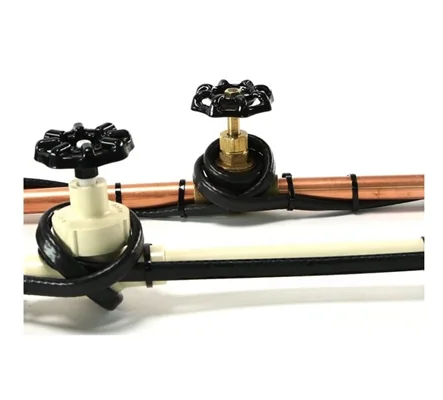
- Start from the power end and lay the cable along the pipe.
- Hold it in place with electrical tape or plastic zip ties.
- Cover everything with foam insulation to keep in the warmth.
- Plug it in and check that the power works before cold weather hits.
Be sure not to wrap the cable over itself. That can make the cable wear out early.
What Makes These Cables Better
Compared to old heat tapes or space heaters, Self-Regulating Heating Cables offer many smart advantages. These advantages make them a top choice for protecting plumbing through long winters.
They beat other options in many ways:
- Smarter heating, since they change with the weather.
- Lower power use, which keeps energy bills down.
- Less maintenance, so there’s no need for constant checks.
Using these cables saves both time and trouble during winter.
Use Other Tricks for Extra Protection
In areas with very cold winters, extra steps help boost the results of heating cables. Combining simple tools and tricks can strengthen pipe safety.
Additional ways to help:
- Turn off and drain outdoor water lines that are not in use.
- Seal holes or cracks near pipes to keep cold air out.
- Wrap foam insulation around pipes for double protection.
These actions give a stronger defence when the temperature drops fast.
When to Use Heating Cables Year-Round
Some places stay chilly all year, while others get quick drops during cold snaps. In both cases, they work as long-term protection.
Good times to install include:
- Before the first frost, so the pipes stay clear.
- After moving into a new home, especially in older buildings.
- Before long trips, when no one is home to check on the plumbing,
Starting early ensures less risk and more comfort when winter finally hits.
Mistakes to Avoid During Setup
While installing heating cables is simple, skipping a few steps can reduce their benefits. Paying attention during setup helps get the most out of the cables.
Common errors to watch out for:
- Forgetting insulation, which lets heat escape.
- Using damaged cables, which can fail in the cold.
- Plugging into weak outlets can cause power problems later.
Doing it right the first time saves effort and avoids surprise problems.
Safety Tips You Should Know
These cables are generally safe to use in the first place, but some basic safety rules apply when using them to help keep the system running for longer.
Always remember:
- Don’t use extension cords unless they are heavy-duty.
- Keep the plug dry, especially outside.
- Check for cracks in the cable each season before use.
Good habits make a big difference in staying safe through winter.
Final Words
Winter can be tough, but protecting pipes doesn’t have to be. Self-regulating heating Cables take the worry out of freezing temperatures. They give just the right heat, only when needed, and they last for years with little upkeep.
Installing them gives peace of mind. They keep water flowing through the coldest days and help avoid big repair bills. Preparing now means fewer problems later, so everything stays in motion the next time snow falls.